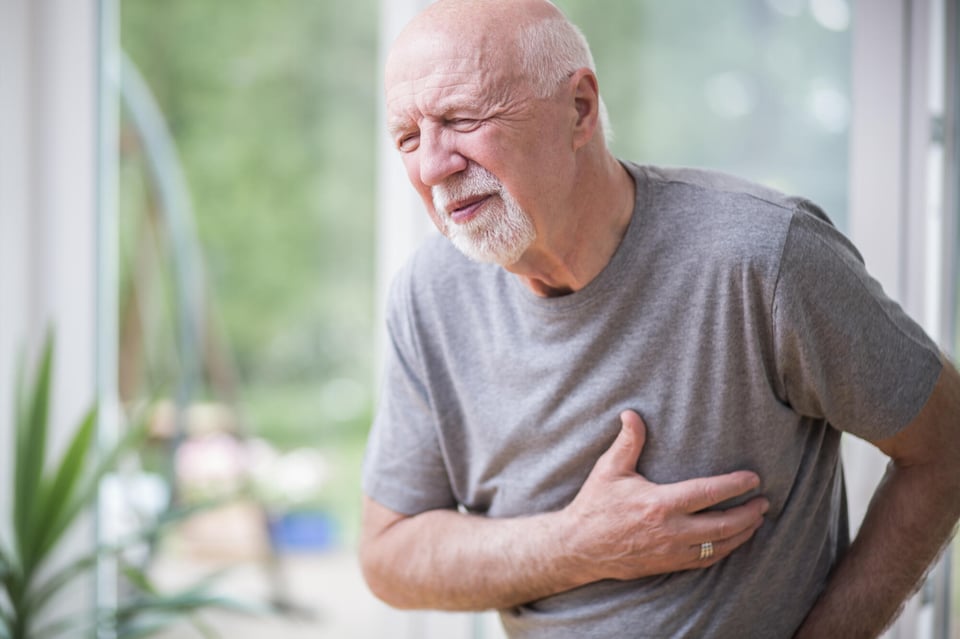
A common question among seniors is, 'What are the 4 silent signs of a heart attack?' These subtle warning signs often appear as unusual fatigue, mild chest discomfort, shortness of breath, or pain in the jaw, neck, or back. As a senior, you are more likely to experience these subtle signs without realizing the danger.
According to the CDC, about 1 in 5 heart attacks occur without obvious symptoms. These events are often mistaken for everyday tiredness or aches. By knowing the four warning signs, you can act quickly and protect your heart.
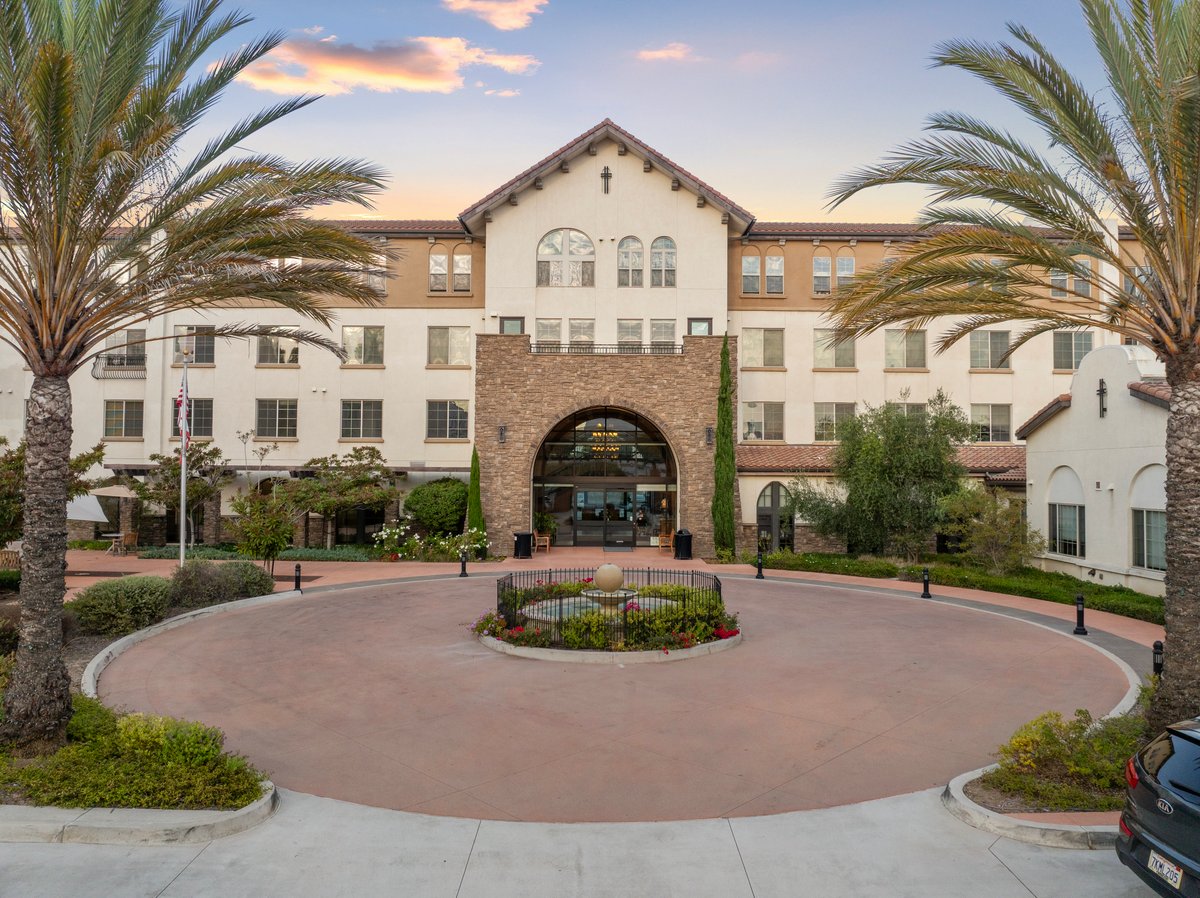
At The Pasea Senior Living, located at 1420 East Palomar Street in Chula Vista, CA, we prioritize heart health for seniors. Our goal is to help you stay aware, active, and confident in protecting your heart.
Why Are Heart Attacks Often Missed in Seniors?
As you age, your heart can change in ways that make symptoms less obvious. You might not notice discomfort or changes until they become serious. Key factors to monitor include:
- High blood pressure
- Diabetes
- High cholesterol
- Previous heart conditions
Regular check-ups help you identify hidden issues early. Tracking your body's changes strengthens your cardiac care awareness and enables you to act before a problem worsens.
How Can Early Detection Improve Outcomes for Seniors?
Noticing changes in your body early can save your heart and your life. Acting quickly can prevent severe complications and long-term damage.
Early detection and proactive habits can help you maintain:
- A healthy diet
- Regular exercise
- Stress management
- Routine check-ups
- Healthy energy levels
- Proper breathing patterns
These habits are part of senior wellness tips that protect your heart and overall health. Staying informed about early warning signs can help keep you proactive.
The Silent Signs Every Senior Should Watch
Your heart can send subtle warnings when something is wrong, even if you are feeling fine. Here are the four silent senior heart attack symptoms you should pay close attention to:
1. Unexplained Fatigue or Weakness
A heart attack disrupts blood flow and oxygen delivery, often causing early fatigue or weakness before chest discomfort appears. Unexplained fatigue or weakness related to heart problems may manifest in the following ways:
- Low energy after simple tasks
- Needing extra rest
- Sudden or persistent tiredness
- Weakness without a clear cause
You might dismiss tiredness as a normal part of aging. Keep track of your daily energy levels and seek medical advice if fatigue is new, persistent, or severe.
2. Mild Chest Discomfort or Pressure
Gradually narrowing arteries can trigger heart attacks in seniors, often first noticeable as mild chest discomfort or pressure. This discomfort may feel like:
- Squeezing or tightness
- Discomfort that comes and goes
- Pain triggered by activity or rest
Pay attention to when the problem happens and what sets it off. Reporting even mild pressure supports your cardiac care awareness and helps you catch issues early.
3. Shortness of Breath or Difficulty Breathing
A struggling heart can increase pressure in the lung's blood vessels, forcing fluid into lung tissue and causing short, difficult breaths. You might feel breathless during light activity or even at rest.
You may also experience reduced stamina. Monitoring changes and consulting doctors promptly are key to supporting heart health for seniors.
4. Jaw, Neck, or Back Pain
Pain from the heart can radiate to the jaw, neck, or back when a heart problem exists. Related signs that may indicate a concern include:
- Jaw discomfort
- Neck tightness
- Upper back pain
- Middle back pain
Keep track of when the pain occurs, how long it lasts, and its possible triggers. Reporting these symptoms early can help prevent serious complications and enhance your heart health awareness.
What to Do if You Spot These Signs
Knowing what steps to follow can help you respond quickly and protect your heart. When you notice any symptoms, ensure to:
- Call your doctor
- Note when and how symptoms occur
- Limit strenuous activity
- Inform family or caregivers
How The Pasea Supports Your Heart Health
At The Pasea Senior Living, we help you take charge of your heart health and stay informed about your well-being. Our programs give you the tools and support you need to care for your heart every day.
You can benefit from the following:
- Regular wellness checks
- Educational programs
- Fitness routines
- Menus certified by a registered dietitian
These resources help you stay proactive and confident in your daily heart care. They also give you the support needed to maintain long-term heart health and a vibrant life.
Frequently Asked Questions
How Can Seniors Improve Heart Health Daily?
You can take small daily steps to keep your heart strong and stay energized. Focus on the key habits below to build a healthy routine:
- Walking or light exercise
- Stretching to stay flexible
- Heart-healthy meals with vegetables, whole grains, and lean proteins
Consistently following these habits helps you feel in control of your heart health. Over time, they can lower risks and improve overall well-being.
Can Social Activities Impact Heart Health?
Staying socially active benefits both your heart and your mood. Spending time with family and friends, joining group activities, or engaging in hobbies can reduce stress.
Social connections encourage movement and mental stimulation. Maintaining these interactions helps support your heart and overall wellness.
How Does Sleep Affect Heart Health?
Quality sleep is crucial for maintaining heart function. Aim for 7-8 hours each night and follow a consistent sleep schedule.
Avoid stimulants late in the day and create a relaxing bedtime routine. Good sleep helps regulate blood pressure, energy levels, and overall cardiovascular health.
What Are the 4 Silent Signs of a Heart Attack? Start Taking Care of Your Heart Today
What are the 4 silent signs of a heart attack? Knowing them can make all the difference in protecting your health. Stay alert to subtle changes and take action promptly to safeguard your heart.
Experience resort-style living at The Pasea Senior Living, where seniors in Chula Vista enjoy Independent Living, Assisted Living, and Memory Care. Our vibrant community, just minutes from Otay Ranch and local shopping, offers wellness and heart health programs, gourmet dining, fitness amenities, and social activities.
With spacious living areas and attentive staff, The Pasea helps you live fully and confidently. Contact us today to see life at The Pasea come alive.