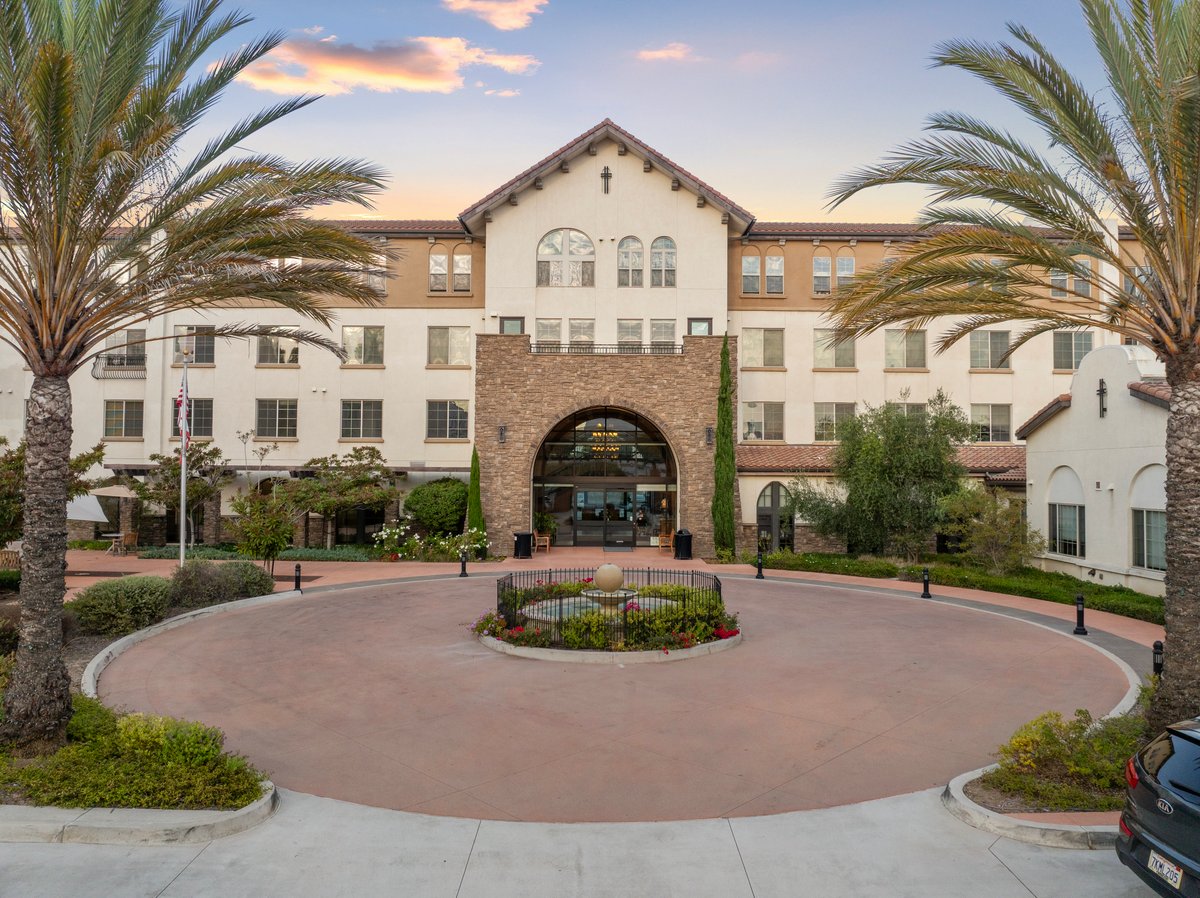
Learning at every stage of life supports stronger thinking skills and long-term independence, which is why education remains essential in elderhood. From craft sessions to wellness classes, The Pasea Senior Living embraces learning as an ongoing journey.
Aging doesn't point to the end of curiosity or personal development. Rather, the brain responds wonderfully to stimulation, challenge, and new experiences, even later in life.
When learning becomes part of day-to-day routines, older adults gain tools to stay confident and mentally sharp. Within a supportive Chula Vista, CA, community, opportunities to explore ideas help residents remain in their golden years.
How Does Learning Help Protect the Aging Brain?
Learning stimulates neural pathways and encourages the brain to adapt, forming new connections that support thinking and recall. Activities that involve the following encourage senior brain health by challenging the mind to work in flexible ways:
- Problem-solving
- Discussion
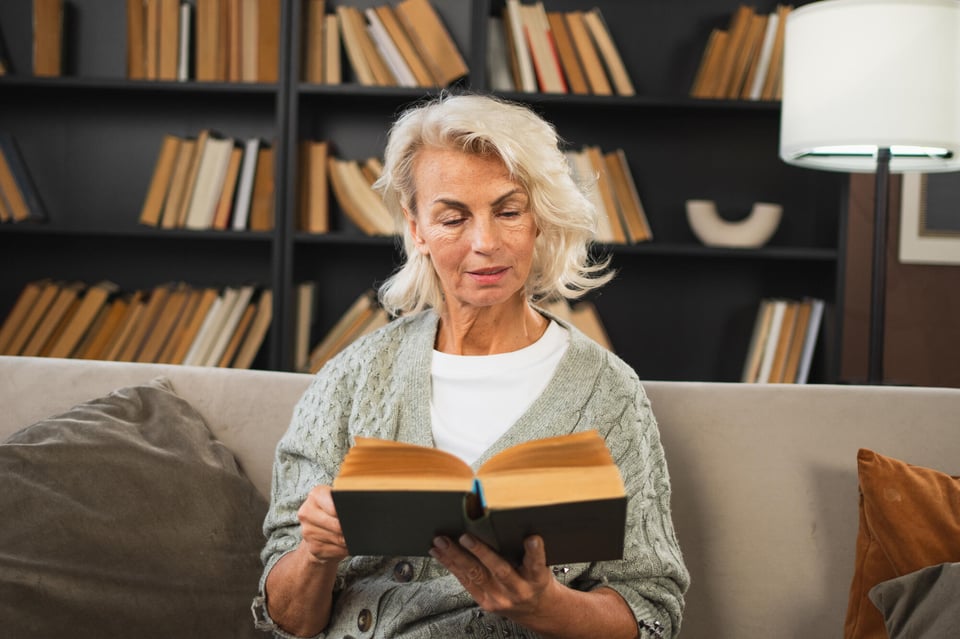
- Reading
- Creative exploration
It's true that consistent mental stimulation supports attention, reasoning, and recall. Skills like language learning, music appreciation, and critical thinking exercises promote curiosity and memory by engaging multiple areas of the brain at once.
Over time, these habits help older adults maintain cognitive resilience. At the same time, they help one adapt to the natural changes associated with aging.
Emotional benefits also have a staple role. Learning nurtures the following and more:
- Confidence
- Purpose
- Motivation
All of the above can hone mental clarity. Individuals who continue to grow intellectually often report stronger self-esteem and lower feelings of isolation.
The Pasea recognizes that learning does more than sharpen skills. Rather, it reinforces a sense of identity and lifelong potential.
What Types of Learning Are Most Beneficial for Older Adults?
Effective learning in later life focuses on relevance, enjoyment, and challenge rather than pressure or performance. Educational experiences that connect to personal interests tend to deliver the greatest cognitive and emotional benefits.
Reading and discussion groups encourage reflection and conversation while strengthening comprehension and communication skills. Creative outlets like the following can activate imagination and problem-solving abilities:
- Writing
- Art appreciation
- Music exploration
Practical learning, including technology use or wellness education, supports independence and confidence in everyday life.
Mental engagement becomes especially valuable when learning experiences involve interaction with others. Sharing perspectives, asking questions, and collaborating on ideas strengthen social bonds while reinforcing cognitive skills. At The Pasea, learning is viewed as a shared experience that promotes connection and belonging within the community.
Variety also matters. Rotating learning topics prevents routines from becoming passive, keeping the brain responsive and alert. Exposure to new ideas challenges assumptions and encourages flexible thinking, which supports long-term cognitive health.
Discovering One's Passion
Finding your true passion begins with curiosity and honest self-reflection. Pay attention to activities that energize you, spark interest, or make time feel like it disappears.
Explore new experiences without pressure to be perfect. Be sure to notice what feels meaningful rather than impressive.
Passion often grows through consistent engagement and patience. It's good to allow interests to evolve naturally over time.
Why Do Senior Living Communities Support Ongoing Education?
Senior living communities that emphasize learning recognize the close relation between intellectual stimulation and general wellness. Education supports independence, emotional resilience, and a deep sense of purpose, all of which form the foundation of healthy aging.
Learning opportunities help residents stay informed, confident, and engaged with the world around them. When older adults feel empowered to explore interests and develop skills, day-to-day life becomes richer and more meaningful. The Pasea approaches education as a cornerstone of whole-person wellness rather than an optional activity.
Community-based learning also encourages peer connection. Conversations sparked by shared topics strengthen relationships and reduce feelings of isolation. Intellectual engagement often leads to greater participation in community life, reinforcing confidence and social comfort.
A commitment to learning reflects respect for the ongoing growth potential of every individual. The Pasea embraces education as a way to honor personal history while supporting future growth. It reinforces the idea that curiosity never expires.
Frequently Asked Questions
Does Learning Really Prevent Memory Loss?
Learning does not eliminate all memory changes, but consistent mental stimulation supports brain adaptability and resilience. Engaging in new activities strengthens neural connections and encourages the brain to work efficiently. Over time, learning helps maintain recall skills and supports long-term cognitive function.
What Age Is Too Late to Learn Something New?
No age limits exist when it comes to learning. The brain can create new connections throughout life.
Older adults often bring rich life experiences to learning, which can enhance understanding and enjoyment. Growth remains possible at every stage.
How Much Mental Activity Do Older Adults Need?
Quality matters more than quantity. Regular activities that challenge thinking, spark interest, and encourage focus offer meaningful benefits. A mix of reading, discussion, creative exploration, and problem-solving supports balanced cognitive stimulation without feeling overwhelming.
Are Social Activities Important for Brain Health?
Social interaction is a major part of cognitive wellness. Conversations, shared learning experiences, and group discussions stimulate thinking while supporting emotional well-being. Social learning environments strengthen attention and communication skills simultaneously.
Can Learning Improve Quality of Life as We Age?
Learning supports confidence, purpose, and emotional balance, all of which influence daily satisfaction. Continued education encourages adaptability and curiosity.
It helps older adults feel connected and engaged. Lifelong learning contributes to a much richer sense of fulfillment and optimism.
How Does Curiosity Support Mental Wellness?
Curiosity motivates exploration and active thinking, both of which strengthen cognitive pathways. Asking questions and seeking understanding can keep the brain alert and responsive. Curiosity also supports emotional health by encouraging openness and enthusiasm.
With The Pasea Senior Living, You'll Embrace Growth at Every Stage
Learning remains a great tool for maintaining independence and cognitive vitality. By encouraging exploration and intellectual curiosity, The Pasea Senior Living reinforces the idea that growth continues throughout life.
Our community supports mental and physical engagement through all kinds of fun events and activities. From movie screenings and bingo nights to wellness classes and local outings, there's always something to look forward to.
If you're ready to enjoy resort-style amenities, such as our indoor saltwater pool, then schedule a tour of The Pasea today.