
Watching a parent experience cognitive changes can be challenging. Knowing when someone needs memory care helps families make thoughtful, informed decisions while their loved one can still be part of the conversation. Recognizing early memory care readiness indicators gives you time to plan, explore options, and find the right level of support.
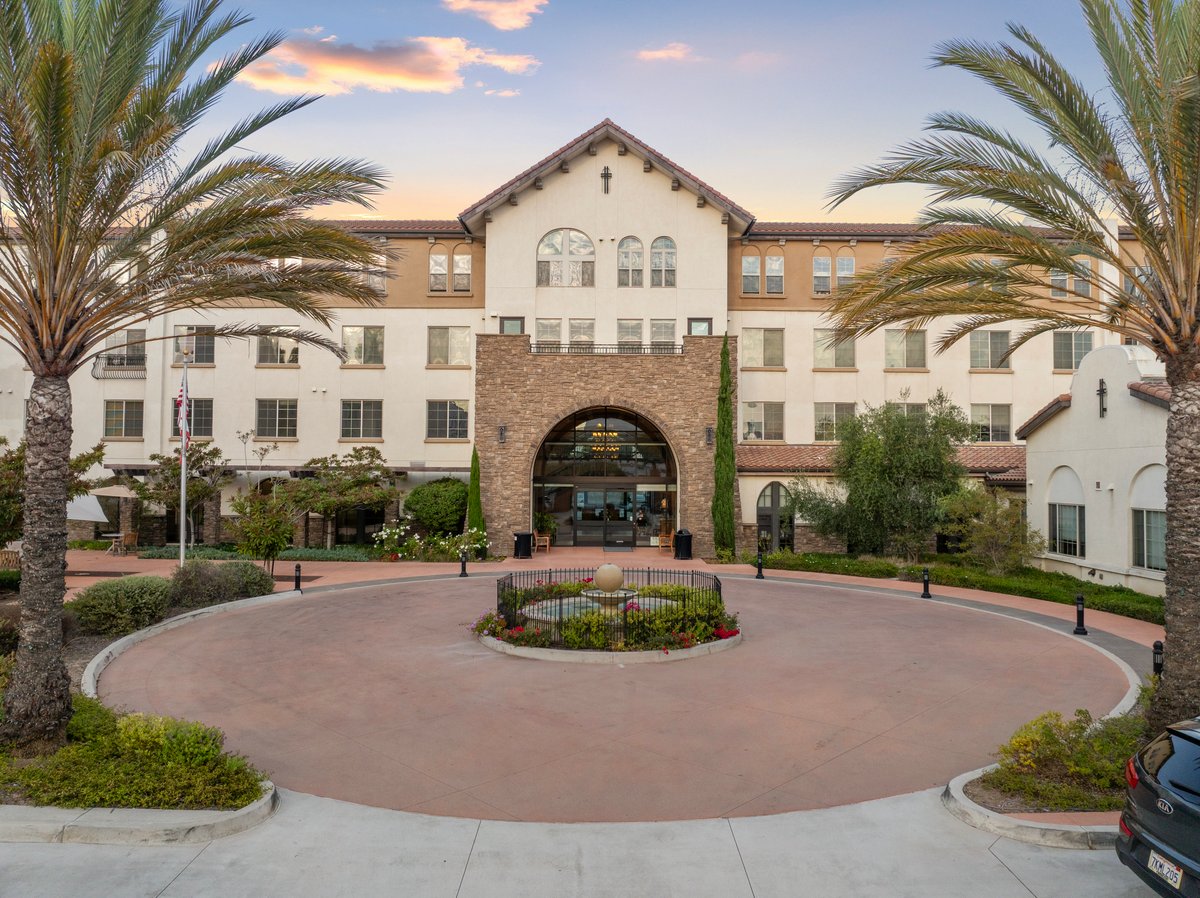
At The Pasea Senior Living in Chula Vista, residents benefit from a welcoming environment that offers Assisted Living and specialized Generations Memory Care®. With engaging programs, comfortable apartment homes, and supportive Associates, families can feel confident knowing their loved one is in a setting designed for dignity and connection.
1. Safety Concerns Are Becoming More Frequent
Safety is often the clearest signal when evaluating memory care needs for parents. If everyday situations are becoming risky, it may be time to consider a more supportive environment.
Common safety-related memory care readiness indicators include:
- Leaving the stove on or forgetting to turn off appliances
- Wandering or becoming disoriented in familiar places
- Increased falls due to confusion or poor judgment
- Forgetting to lock doors or leaving water running
- Situations that could put themselves or others at risk
If you are unsure whether these patterns are consistent, try keeping a simple log over a few weeks. This can help you complete a more accurate memory care level assessment and guide conversations with healthcare providers.
2. Daily Tasks Have Become Difficult to Manage
Subtle changes in routine can be easy to overlook at first. Over time, however, these challenges may point to the need for more consistent support.
Watch for difficulties with:
- Personal hygiene and grooming routines
- Preparing meals or remembering to eat regularly
- Choosing appropriate clothing for the day or weather
- Taking medications correctly or on schedule
- Keeping up with household responsibilities like cleaning or managing mail
At The Pasea, Associates provide thoughtful support with daily routines while preserving each resident’s sense of independence. Services like housekeeping, dining through Elevate® Dining, and personalized wellness support help simplify everyday life.
3. Behavioral Changes Are Noticeable
Personality and behavior shifts are another important part of any evaluation of memory care needs. These changes can appear gradually and may look different for every individual.
You might notice increased agitation, confusion later in the day (often called sundowning), or withdrawal from social programs they once enjoyed. A parent who was once outgoing may begin avoiding gatherings or conversations, while another may become more anxious or suspicious.
Structured environments like Generations Memory Care® at The Pasea are designed to reduce stress and create consistency. Programs through Vibrant Life® offer opportunities for meaningful engagement, helping residents stay connected to familiar routines and interests.
4. Family Caregiver Burnout Is Increasing
Sometimes the answer to “is it time for memory care?” involves both your parent’s needs and your own capacity to support them.
Signs of caregiver strain include:
- Ongoing fatigue from constant supervision or disrupted sleep
- Emotional stress that affects your overall well-being
- Missing work or struggling to keep up with responsibilities
- Skipping your own medical appointments or self-care
- Strain on relationships with family members
Transitioning to memory care can restore balance. It allows family members to focus more on spending quality time together, while trained Associates provide consistent, daily support.
5. The Current Living Situation Is No Longer Sustainable
There may come a point when a parent’s environment no longer supports their needs. Whether they live alone or with family, increased reliance on others can signal that a different setting may be more appropriate.
If you are making frequent check-in calls, responding to repeated emergencies, or providing daily hands-on support, these are strong memory care readiness indicators. A community setting offers built-in structure, social connection, and 24-hour support designed specifically for individuals experiencing cognitive changes.
At The Pasea Senior Living, thoughtfully designed spaces, engaging programs, and personalized approaches help residents feel comfortable and supported in their day-to-day lives.
Moving Forward With Confidence
Recognizing when does someone need memory care isn't about rushing a decision. It's about understanding patterns, asking the right questions, and finding a community that aligns with your parent’s needs and preferences.
Choosing memory care is a meaningful decision rooted in respect, safety, and quality of life. With the right support and environment, your parent can continue to experience connection, comfort, and purpose each day.
Schedule a tour at The Pasea Senior Living to learn more about Generations Memory Care® and see how our community can support your family.